Feather Watercolor Illustrations Review
As a digital product creator who has spent years navigating the competitive landscapes of Etsy, Creative Fabrica, and print-on-demand platforms, I approach every new graphic design asset with a critical eye. My goal is never just to find something pretty; it is to find a commercial tool that converts browsers into buyers. Recently, I evaluated a new asset pack titled Feather Watercolor. The promise of watercolor textures combined with organic shapes usually signals high potential for the handmade aesthetic market, but does this specific collection hold up under the pressure of real-world selling? This review breaks down my testing process, how I would integrate these illustrations into a seasonal shop update, and whether Feather Watercolor deserves a spot in your commercial design library.
First Impressions: Mood and Market Fit
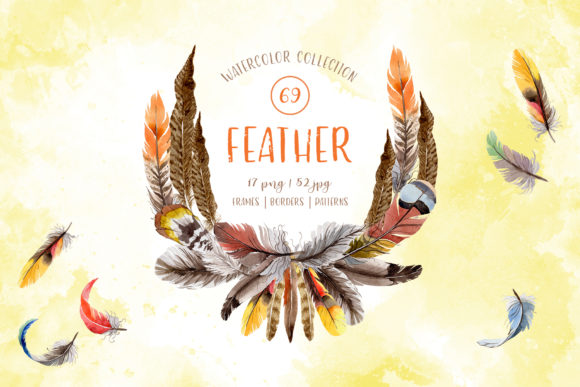
When I first opened the preview files for Feather Watercolor, the immediate visual personality was soft, ethereal, and undeniably feminine. The washes are delicate, avoiding the muddy saturation that often plagues lower-quality clipart bundles. In the current digital marketplace, there is a distinct demand for assets that feel "handmade" rather than digitally manufactured. These illustrations tap directly into that desire. They evoke a sense of calm and nature, making them ideal for audiences seeking bohemian decor, wellness branding, or nursery themes.
However, the mood dictates the niche. While the style is elegant, it leans heavily towards a light and airy aesthetic. If you are targeting a bold, industrial, or high-contrast streetwear market, this might not be your primary choice. For me, the strongest appeal lies in the small business branding sector, specifically for sellers creating invitations, wedding stationery, or lifestyle blog graphics. The visual hierarchy within the individual feather shapes allows them to stand alone as focal points or blend seamlessly as background elements, offering versatility that is crucial for a scalable digital product line.
Testing Across Real Product Scenarios
To determine if Feather Watercolor is a viable commercial design asset, I simulated its use across several product categories I currently sell. The first test involved sublimation designs for tumblers and mugs. Watercolor textures can sometimes lose definition when transferred to curved surfaces, but the opacity levels in these PNG designs were robust enough to maintain their integrity. I imagined a "Morning Coffee" collection where these feathers frame a script font quote. The result felt premium and cohesive.
Next, I explored the potential for SVG designs intended for Cricut projects. This is often the trickiest area for watercolor assets because cutting machines require clean lines. Since these are raster-based watercolor effects, they are best used as print-and-cut images rather than die-cut vectors. However, for sticker designs or planner stickers where the printed edge is acceptable, they perform beautifully. I also tested them as printable wall art. When arranged in a triptych layout on a cream-colored background, the Feather Watercolor illustrations created a sophisticated gallery look that would likely command a higher price point in a digital download shop.
For Canva template sellers, these assets offer a quick way to elevate social media graphics. A simple Instagram story template featuring a single large feather on one side and text on the other creates an instant brand identity that feels curated. Whether used for packaging design elements on a mockup or as part of a larger design bundle for a wedding invitation suite, the adaptability of these illustrations is their greatest strength.
Enhancing Presentation and Click-Through Rates
In the world of online selling, your listing images are your storefront. One of the biggest challenges is making a digital product look tangible. Using Feather Watercolor in product mockups significantly boosts perceived value. Instead of a flat white background, placing a t-shirt design or a tote bag print against a backdrop that subtly incorporates these watercolor textures adds depth and storytelling to the listing.
I found that using these illustrations as framing elements in thumbnail images helps guide the customer's eye toward the main product. For example, if selling a planner sticker sheet, adding a few floating feather illustrations around the border of the thumbnail creates a "scrapbook" vibe that appeals to crafters. This attention to detail in presentation builds customer trust and suggests a higher level of professionalism. It transforms a standard digital download into a branded experience, which is essential for standing out in crowded creative marketplaces.
Strategic Limitations and Risks
While Feather Watercolor is versatile, it is not a universal solution. There are specific scenarios where these assets should be used with caution. Because of the organic, bleeding edges inherent to watercolor styles, they are not suitable for tiny sticker details where precision is key. If you are designing a complex layout with many small elements, the soft edges might cause the design to look cluttered or indistinct, especially on low-resolution print products.
Furthermore, contrast is a major factor. These illustrations rely on light tones and transparency. Placing them on dark backgrounds without adjusting the brightness or adding a glow effect can make them disappear entirely. Similarly, for text-heavy templates, using these feathers as background patterns can interfere with readability, breaking the visual hierarchy. Finally, for Cricut or Silhouette users expecting clean cut lines for vinyl weeding, remember that these are texture-based images. They work for printing, but do not expect them to function as vector paths for intricate cutting unless you have traced them manually, which defeats the purpose of a quick asset drop.
Practical Seller Notes for Implementation
If you decide to integrate Feather Watercolor into your workflow, follow these practical steps to ensure success. First, always test the design on real mockups before publishing. Check how the colors translate from screen to print, especially if you are offering physical merchandise. Verify the PNG transparency carefully to ensure no unwanted white boxes appear around the edges when placed over colored backgrounds.
Organization is key for customer satisfaction. If you are bundling these with other design assets, organize the files clearly so customers can find exactly what they need. Pair these illustrations with complementary typography; a handwritten font or a delicate serif font works perfectly, while a heavy display font might clash with the softness of the watercolor. Most importantly, confirm the commercial license terms. Ensure you have the right to sell finished products containing these illustrations on platforms like Etsy or Shopify. By respecting the licensing and testing the quality rigorously, Feather Watercolor can become a powerful addition to your portfolio, helping you create professional, attractive, and profitable digital products.