Wildflowers Morning Dawn Watercolor Review
As a designer who has spent years translating digital art into tangible thread, I approach every new machine embroidery design with a mix of excitement and skepticism. The gap between a beautiful screen image and a successful finished product can be wide. When I first opened the file for Wildflowers Morning Dawn Watercolor, my immediate reaction was to the mood it set. It captures that fleeting moment just after sunrise, where light feels soft and colors bleed into one another like wet paint on paper. This is not a sharp, geometric botanical; it is an Illustrations style piece that relies on fluidity and atmosphere. Before committing this to a client order or my own Etsy shop inventory, I needed to understand how these delicate watercolor transitions would survive the rigors of stitching.
The First Stitch: Visual Impact and Mood
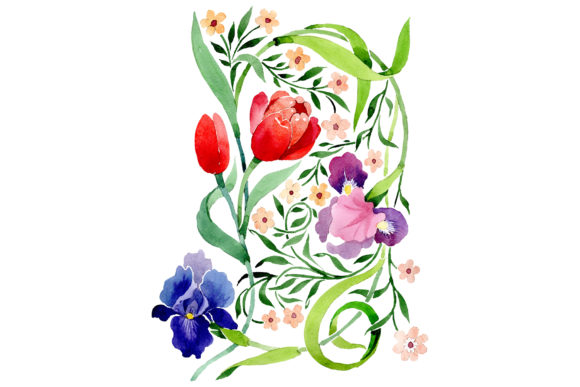
The visual personality of Wildflowers Morning Dawn Watercolor is inherently romantic and organic. In the digital preview, the blooms appear to float against a wash of dawn hues. For an embroidery project, this suggests a specific type of aesthetic. It is not a design meant for bold, high-contrast streetwear or heavy industrial branding. Instead, it screams "soft goods." I immediately envisioned this on a linen tote bag, a baby blanket, or perhaps as a subtle accent on a cotton apron. The challenge with any watercolor-style embroidery file is maintaining that painterly feel without letting the stitches look muddy or overly dense.
When evaluating the layout, the flow of the flowers feels natural, avoiding the stiff symmetry often found in generic clip art. This makes it an excellent candidate for custom apparel where you want the design to look hand-picked rather than mass-produced. However, the soft edges mean that the stitch definition needs to be precise. If the stitch density is too high, the design could lose its airy quality and become a solid block of thread. If it is too low, the watercolor effect might disappear entirely, leaving gaps that ruin the illusion of color blending.
Real-World Application: From File to Fabric
Let’s talk about a real scenario. Imagine I am preparing a line of personalized gifts for a local boutique. The owner wants a collection of sweatshirt embroidery featuring nature themes. I decide to test Wildflowers Morning Dawn Watercolor on a heather grey crewneck. On a textured fabric like fleece or french terry, the watercolor effect can actually work in your favor. The slight fuzziness of the fabric helps soften the hard lines of the thread, mimicking the grain of watercolor paper.
In this context, the design transforms from a simple graphic into a premium feature. Customers looking for handmade products often crave that unique, artisanal touch. A crisp, vector-style flower looks manufactured; a watercolor interpretation looks curated. This distinction is crucial for Etsy sellers and small shop owners trying to differentiate their brand. When a customer holds a sweatshirt with this design, they aren't just seeing a logo; they are experiencing a mood. This emotional connection drives buyer engagement and increases the perceived value of the item.
However, the same design behaves differently on a tote bag design. Canvas is smoother and stiffer. Here, the fill stitch patterns used to create the watercolor wash must be carefully inspected. If the design uses long running stitches to simulate brush strokes, they need to be anchored well so they don't snag on the canvas weave. I always recommend testing the design on scrap fabric first. Pull out a few swatches using different thread colors to see how the gradients read up close. Does the morning blue blend seamlessly into the pale yellow, or does it look like two distinct patches?
Navigating Challenges: Where Caution is Needed
While Wildflowers Morning Dawn Watercolor is versatile, it is not a universal solution. There are specific situations where this design requires careful handling. First, consider the hoop size. Watercolor effects often rely on negative space to breathe. If you try to shrink this design down to fit a 4x4 hoop for a cap or a small patch, the delicate details will likely vanish. The fine lines that define the petals could merge, turning a floral masterpiece into a blurry blob. For embroidered patches or caps, you might need to simplify the design or choose a bolder alternative.
Fabric texture is another critical factor. On very thin fabrics like chiffon or silk, the weight of the stitch density required to build up the watercolor layers could cause puckering. You would need a heavy-duty stabilizer and potentially a floating technique to prevent distortion. Similarly, on dark fabrics, the light tones of a "morning dawn" palette might get lost unless you use a bright underlay or a contrasting backing. Always compare light and dark fabric backgrounds before finalizing your production run.
Another area of caution is durability. Designs with large areas of fill stitch or complex layering can be prone to snagging if the garment undergoes frequent washing. If you are creating holiday embroidery items that will be gifted and washed often, check the stitch count and density. A design that looks perfect on day one might fray or pill after a month of wear if the tension isn't dialed in perfectly.
Professional Tips for Success
To ensure Wildflowers Morning Dawn Watercolor performs at its best, I follow a strict checklist before launching any commercial embroidery project. First, verify the licensing. Just because you bought the digital embroidery file doesn't mean you can sell unlimited finished goods. Some licenses restrict the number of items you can produce or prohibit selling the file itself. Confirm this before you invest time in marketing your craft business.
Second, test the contrast. Print a mockup of the design in black and white. This strips away the color and forces you to look at the shape and structure. If the design falls apart in grayscale, it will struggle in thread. Check whether the design works for both personal and commercial projects by reviewing the terms of service provided with the download.
Finally, inspect the small details. Zoom in on the digital preview. Are there tiny lettering elements or intricate corners? These are the first things to fail during stitching. If the design includes text, ensure the font size is large enough to remain legible after conversion to thread. For personalized gifts, clarity is key. A name that is barely visible ruins the sentiment of the gift.
Final Verdict on Design Assets
Wildflowers Morning Dawn Watercolor is a strong addition to any library of design assets, but it demands respect for its specific style. It is not a workhorse design for heavy-duty logos or industrial applications. Instead, it shines in contexts where softness, romance, and artistic flair are the primary goals. Whether you are a hobbyist making a baby embroidery project for a friend or a professional decorator creating a limited-run collection for a boutique, this design offers a sophisticated edge.
By understanding its limitations regarding hoop size, fabric choice, and stitch density, you can leverage its strengths to create stunning finished products. It elevates a standard embroidery project into a piece of wearable art. For those willing to take the time to test, adjust, and execute with care, Wildflowers Morning Dawn Watercolor can be a signature element that defines your brand's aesthetic and delights your customers.