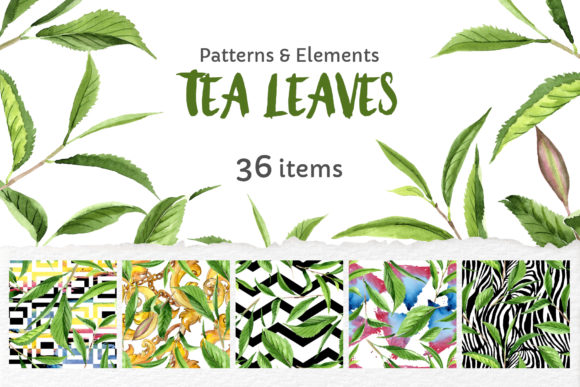
Green Tea Leaves Watercolor Embroidery Review
As a designer who has spent years translating digital art into tangible thread, I approach every new machine embroidery design with a mix of excitement and skepticism. The gap between a pretty image on a screen and a successful stitch-out is where most projects fail. Today, I am putting Green Tea Leaves Watercolor under the microscope to see if it holds up in a real-world commercial setting. This piece falls squarely into the Illustrations category, promising that soft, organic aesthetic that buyers love for home decor and lifestyle apparel. But does the watercolor style translate well when rendered in satin and fill stitches?
The First Impression: Mood and Visual Personality
When I first loaded the Green Tea Leaves Watercolor file onto my hoop, the immediate feeling was one of calm sophistication. Unlike rigid botanical sketches or highly detailed line art, this design leans heavily into fluid shapes and gradient-like color transitions. The visual personality is distinctly gentle, evoking the aroma of fresh tea and the tranquility of a garden. For an Etsy seller or boutique owner, this mood is gold. It suggests a handmade product that is thoughtful and curated.
However, the challenge with any watercolor-style illustration in embroidery is maintaining that "painted" look without losing definition. In the digital preview, the leaves blend seamlessly. My concern as a professional is whether the stitch density will create muddy areas or if the running stitch and fill stitch combinations will preserve the delicate edges. The layout feels balanced, making it versatile enough to stand alone as a focal point or serve as a subtle accent on a larger garment.
Real-World Application: From Screen to Stitch
To truly test the viability of Green Tea Leaves Watercolor, I imagined a specific project: a high-quality, natural cotton tote bag for a local wellness shop. These bags are often used as promotional items or sold as premium eco-friendly accessories. The goal is to make the customer feel like they are carrying something artisanal.
In this scenario, the design would be placed slightly off-center on the lower front panel. The soft greens of the leaves would pop beautifully against the unbleached canvas. Because the design avoids harsh outlines, it relies on color blocking and varying stitch densities to create depth. If executed correctly, the finished product would look less like a stamped logo and more like a custom painted piece. This level of perceived value is crucial for small business owners trying to justify a higher price point on their merchandise.
I also considered using this design for baby embroidery. A onesie or a receiving blanket featuring these leaves would be incredibly popular for gender-neutral nurseries. The lack of sharp angles makes it safe and soothing visually. However, for stretchy fabrics like jersey knit used in sweatshirts, we need to be cautious. The flow of the watercolor leaves might distort if the fabric stretches too much during the stitching process, breaking the illusion of the artwork.
Navigating Technical Challenges and Fabric Choices
While the artistic potential is high, there are specific technical hurdles to clear before you commit to a commercial run. One major consideration is the fabric texture. On a smooth linen or high-thread-count cotton, the Green Tea Leaves Watercolor design will shine. The fine details of the leaf veins, likely created with a combination of satin stitch and fine running stitch, will remain crisp.
Conversely, on textured fabrics like heavy wool or chunky knits, those fine details can get lost. The needle might struggle to penetrate consistently, leading to skipped stitches or uneven tension. If you plan to use this on a dark background, such as a charcoal gray hoodie, you must check the thread colors carefully. Watercolor effects often rely on light, airy tones; placing them on dark fabric without proper backing or a white underlay could result in a dull, washed-out appearance rather than a vibrant illustration.
Another critical factor is the hoop size. You must confirm that the design fits comfortably within your hoop without crowding the edges. Crowded designs often lead to puckering, which ruins the flat, painted look we are aiming for. Additionally, curved surfaces like caps present a unique challenge. The bottom curve of a cap can compress the design, potentially squashing the delicate leaf tips. Always test the design on a scrap piece of the same fabric type first.
Practical Notes for Designers and Business Owners
If you are considering adding Green Tea Leaves Watercolor to your library of design assets, here are my practical recommendations based on experience:
- Test Before You Sell: Never skip the test run. Stitch out the design on a scrap of your intended fabric with the stabilizer you plan to use. Inspect the back of the stitching to ensure there is no excessive buildup that could cause discomfort on clothing.
- Check Thread Contrast: Since this is a watercolor style, the transition between shades is key. Ensure your thread colors have enough contrast to define the leaves but not so much that they look disjointed.
- Review Stitch Density: High-density areas can make fabric stiff. If the center of the leaves looks too dense, consider reducing the stitch count slightly to maintain the soft drape of the fabric.
- Stabilizer Selection: Use a cut-away stabilizer for stretchy fabrics to prevent distortion, and a tear-away for stable wovens. Proper stabilization is non-negotiable for clean results.
- Licensing Check: As a digital product seller or craft business owner, always verify the licensing terms. Can you sell the finished embroidered item? Can you resell the digital embroidery file itself? Understanding these boundaries protects your business.
Impact on Brand and Customer Trust
Ultimately, the choice of design dictates the perception of your brand. Using a high-quality illustration like Green Tea Leaves Watercolor signals professionalism and attention to detail. Customers buying from handmade shops or boutique stores are looking for uniqueness. They want items that tell a story. When they see a tote bag or a pillow cover with this design, they aren't just seeing a pattern; they are seeing a cohesive aesthetic that aligns with a lifestyle of mindfulness and nature.
This design enhances buyer engagement because it feels personal. It moves away from generic clip art and into the realm of bespoke artistry. For holiday gifts or wedding favors, this level of customization builds trust. It shows the maker cares about the final presentation. Whether you are creating a personalized gift for a friend or mass-producing items for a craft fair, the clarity and charm of this embroidery file can significantly boost your sales.
Final Verdict for Your Next Project
Green Tea Leaves Watercolor is a strong contender for designers looking to expand their portfolio with nature-inspired themes. It excels in applications requiring a soft, elegant touch, such as nursery decor, kitchen linens, and lifestyle apparel. While it requires careful attention to fabric choice and stabilizer use, the payoff in visual appeal is substantial. By treating this design with the respect it deserves—testing thoroughly and selecting the right materials—you can create finished products that customers will love to display and wear. It is a versatile asset that bridges the gap between digital creativity and tactile craftsmanship.