Pineapple Watercolor Embroidery Review
As a designer who has spent years translating digital art into tangible thread, I approach every new machine embroidery design with a mix of excitement and skepticism. The gap between a pretty image on a screen and a durable, beautiful finished product can be wide. Recently, I pulled up the Pineapple Watercolor file to see if it holds up under the scrutiny of real-world application. This isn't just another tropical motif; it is a specific aesthetic choice that demands careful handling. If you are an Etsy seller, a boutique owner, or a hobbyist looking to expand your catalog, here is my honest assessment of how this Illustration performs in actual stitching scenarios.
The First Impression: Mood and Visual Personality
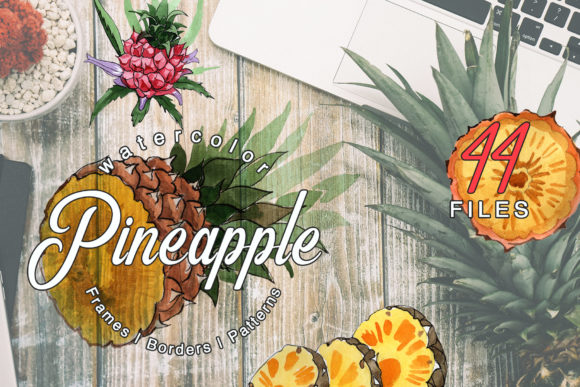
When I first opened the Pineapple Watercolor design, the immediate vibe was one of relaxed sophistication. Unlike the rigid, blocky pineapples often found in standard clip art, this version captures the fluidity of watercolor painting. The edges appear soft, and the color transitions suggest a blend rather than a hard line. For a craft business, this visual personality is powerful. It signals "handmade" and "artistic" before the customer even touches the fabric. However, translating that painterly look into a machine embroidery design requires understanding how fill stitch and satin stitch interact. The challenge with any watercolor style is maintaining that softness without letting the stitches look muddy or overly dense.
Testing the Design on Custom Apparel
To truly judge the utility of Pineapple Watercolor, I imagined placing it on a heavy cotton sweatshirt for a small shop product line. In this context, the design shines. The organic shape of the pineapple complements the texture of fleece or French terry perfectly. When I mentally mapped out the placement on the chest pocket area, the scale felt appropriate. It offers enough detail to be interesting but remains large enough to avoid registration issues. For custom apparel, this type of illustration works exceptionally well as a statement piece. It elevates a basic garment into something that feels curated and unique, which is exactly what buyers are looking for in personalized gifts.
I also considered using Pineapple Watercolor for tote bag designs. A canvas tote provides a sturdy, flat surface that handles the varying stitch density of a watercolor effect very well. The natural fibers of the tote would absorb the thread slightly, enhancing the soft, blended look of the artwork. This makes it a prime candidate for summer merchandise or beach-themed collections. If you are planning a holiday embroidery collection, this design could easily transition into a tropical vacation theme, offering versatility that rigid geometric shapes simply cannot match.
Navigating Fabric Textures and Challenges
While the potential is high, there are specific situations where Pineapple Watercolor needs careful consideration. One major factor is fabric texture. On highly textured fabrics like linen or thick denim, the fine details of the watercolor gradient might get lost in the weave. The soft edges rely on smooth transitions, and a rough fabric can disrupt that flow, making the design look fuzzy rather than artistic. Similarly, stretchy fabrics present a risk. If you are doing baby embroidery on a knit bodysuit, the tension required for the fill stitch could cause puckering around the curved edges of the pineapple. Always use the correct stabilizer to counteract this.
Dark fabrics are another area where caution is needed. Watercolor effects often rely on lighter shades and negative space to create depth. Placing Pineapple Watercolor on black or navy fabric might require significant adjustments to the thread colors to ensure visibility. You may need to add a backing layer or adjust the stitch density to prevent the dark background from swallowing the lighter threads. Furthermore, curved surfaces like caps can distort the vertical orientation of the pineapple. While possible, it requires precise hooping and potentially a different hoop size to maintain the integrity of the shape.
Practical Designer Notes for Success
If you decide to integrate Pineapple Watercolor into your workflow, follow these practical steps to ensure a professional result. First, always test the design on scrap fabric that matches your final project material. This allows you to check the stitch density and see if the watercolor effect translates clearly. Look closely at the small details; sometimes, intricate gradients need to be simplified for smaller hoop sizes to prevent thread breaks or jamming.
Review the thread colors carefully. The magic of a watercolor look lies in the blending of hues. Ensure your thread palette offers enough variation to mimic the original Illustration without clashing. I also recommend testing the design in black and white mockups before committing to production. This helps you evaluate the contrast and balance of the composition independent of color. Finally, confirm your licensing terms. As a digital product seller or commercial embroiderer, you must verify that you have the right to sell finished items made with this embroidery file. Whether you are creating an embroidered patch for a craft fair or a digital embroidery file for other makers, clarity on usage rights protects your business.
Impact on Brand and Customer Perception
Using a design like Pineapple Watercolor affects more than just the look of the item; it influences customer trust and brand consistency. A well-executed, artistic design suggests a higher level of craftsmanship. Customers browsing your Etsy listings or visiting your handmade shop are drawn to products that tell a story. This design adds a narrative of creativity and attention to detail. It moves the product away from being a generic commodity and positions it as a thoughtful, personalized gift.
However, if the execution is poor—say, due to incorrect stabilizer use or poor thread matching—the value perception drops immediately. Buyers expect the finished product to reflect the quality of the digital preview. By taking the time to understand the nuances of this machine embroidery design, you protect your reputation. You ensure that every tote bag, pillow cover, or apron you produce meets the high standards your customers expect. In the competitive world of small business merchandise, those details are what build loyalty and encourage repeat purchases.
Final Verdict on Real-World Use
In conclusion, Pineapple Watercolor is a versatile and charming addition to any embroidery library, provided it is used with intention. It excels on stable, medium-weight fabrics like canvas and cotton blends, making it ideal for tote bags, tea towels, and casual apparel. It brings a fresh, artistic energy to holiday gifts and boutique branding. While it requires care on textured or dark materials, the rewards of a successful stitch job are significant. For the creative entrepreneur, this design asset offers a chance to stand out with a look that feels both modern and timeless. Just remember to test, stabilize, and license properly, and you will find that this illustration becomes a staple in your collection of successful projects.