Tarantula Exotic Watercolor Embroidery Review
As a designer who has spent years translating digital art into tangible thread, I approach every new machine embroidery design with a mix of excitement and skepticism. The gap between a beautiful screen image and a successful stitched project can be wide. Today, I am putting Tarantula Exotic Watercolor through its paces to see if it holds up under the scrutiny of real-world application. This isn't just about pretty pixels; it is about how this specific illustration translates when your machine starts moving, pulling thread through fabric.
First Impressions: Mood and Visual Personality
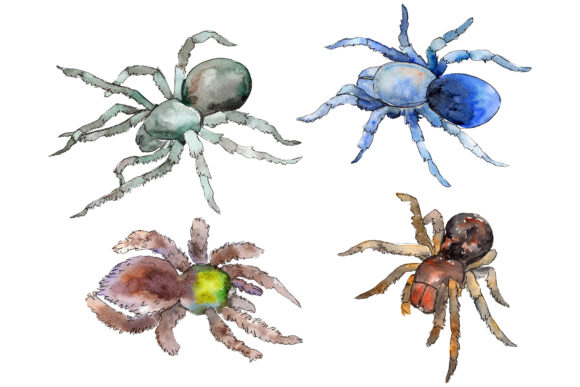
When you first open the file for Tarantula Exotic Watercolor, the immediate reaction is one of artistic intrigue. Unlike traditional, rigid spider designs that lean into horror or Halloween tropes, this piece leans heavily into the Illustrations category with a soft, painterly aesthetic. The watercolor effect suggests bleeding colors and organic edges, which creates a mood that is both exotic and approachable. It feels less like a creature warning and more like a botanical study gone wild.
For an embroidery designer, this visual personality dictates where the design belongs. It naturally fits projects that require a touch of whimsy or bohemian flair. I can immediately envision this on a linen tote bag for a nature-loving client or as a subtle accent on a high-end boutique sweatshirt. The layout appears balanced, avoiding the cluttered look that often plagues complex animal designs. However, the success of a watercolor style in thread relies entirely on how well the digitizer has managed the transition from color to stitch.
The Real-World Test: A Custom Tote Bag Scenario
To truly evaluate Tarantula Exotic Watercolor, let's imagine a specific scenario: a small shop owner wants to create a limited run of custom embroidered tote bags for an upcoming craft fair. They choose a heavy-duty canvas material, hoping the texture will complement the watercolor vibe. As I visualize the stitching process, I consider the fill stitch density required to achieve that washed-out look without making the fabric stiff.
In this context, the design shines. The organic shapes of the tarantula legs allow for varied stitch directions, which helps mimic the flow of paint. If the digitizing is done correctly, the result would be a handmade product that stands out against standard, block-colored logos. Customers browsing a craft stall are drawn to unique textures, and seeing a watercolor effect rendered in thread adds significant perceived value. It transforms a simple canvas bag into a conversation starter, boosting buyer engagement and justifying a higher price point for the finished product.
Performance Across Different Projects
Beyond the tote bag, Tarantula Exotic Watercolor offers versatility for various commercial embroidery applications, provided the scale is respected. For custom apparel, such as sweatshirts or hoodies, the design works beautifully on the chest or back pocket area. The soft edges blend well with the fleece texture, creating a cohesive look. It could also serve as a striking centerpiece for an embroidered patch, which could then be sewn onto denim jackets or hats.
However, the design's utility changes when considering smaller items. While it might work for baby embroidery on a onesie if scaled down significantly, the intricate details of the watercolor bleed could get lost in the weave of knit fabrics. Similarly, for holiday gifts like pillow covers or tea towels, the design adds a sophisticated, adult-oriented twist that moves away from typical seasonal kitsch. For an Etsy seller looking to diversify their inventory, this design asset bridges the gap between edgy and elegant, appealing to a demographic that appreciates art in their everyday items.
Where Caution Is Required
Despite its potential, there are specific situations where Tarantula Exotic Watercolor requires careful handling. The watercolor style relies on gradients and overlapping colors, which can become muddy if the stitch density is too high or if the wrong thread colors are selected. On dark fabrics, achieving that light, airy watercolor look is challenging. You may need to use a white underlay or adjust the color palette significantly to ensure visibility.
Texture is another critical factor. On highly textured fabrics like thick corduroy or boucle, the fine details of the spider's legs might disappear. Furthermore, on stretchy materials like jersey knits, the tension required for detailed fill stitches can cause puckering. If you are planning to use this on a cap or a curved surface, the distortion of the shape could ruin the artistic intent. Always remember that a flat digital image behaves differently when wrapped around a three-dimensional object.
Another area of concern is frequent washing. Designs with high fill stitch areas can feel stiff after multiple wash cycles, especially if a heavy stabilizer was used. For items like aprons or kitchen towels that go into the wash often, you must balance the visual impact with the comfort and durability of the final garment.
Practical Designer Notes for Success
- Test on Scrap Fabric First: Never stitch directly onto your final product. Use a scrap of the same fabric to check how the watercolor gradients translate to thread.
- Check Thread Color Contrast: Ensure the colors chosen for the tarantula pop against the background. Sometimes, what looks good on a monitor needs a brighter thread shade to stand out.
- Review Stitch Density: If the design looks too solid, try reducing the density in your software to maintain the "watercolor" transparency effect.
- Confirm Hoop Size: Verify that the design fits within your hoop without cutting off the delicate tips of the spider's legs.
- Inspect Small Details: Zoom in on the preview to ensure no tiny gaps or floating threads will appear in the finished embroidery.
- Use Proper Stabilizer: A cutaway stabilizer is often better for this type of detailed design on medium-weight fabrics to prevent shifting.
- Compare Light and Dark Backgrounds: Create mockups on both light and dark fabrics to see how the design adapts before committing to production.
- Check Licensing: Before selling finished items or offering this as a digital product, confirm the license terms for commercial use.
Final Verdict on Value and Professionalism
Ultimately, Tarantula Exotic Watercolor is a strong addition to any creative entrepreneur's library, but it demands respect for the medium. It elevates a standard embroidery project into something resembling wearable art. When executed correctly, it enhances brand consistency for boutiques that pride themselves on unique aesthetics. It builds customer trust by showing attention to detail and a willingness to experiment beyond basic logos.
For the hobbyist or the small business owner, this design represents an opportunity to offer something distinct. It is not a generic clip-art spider; it is a statement piece. By following best practices for testing and stabilizing, you can ensure that the final finished product lives up to the promise of the digital file. Whether it ends up on a holiday gift, a personalized item, or a flagship product for your online store, the key is understanding how the watercolor illusion survives the journey from screen to stitch.